Photography Tour in Nepal Through Changing Seasons
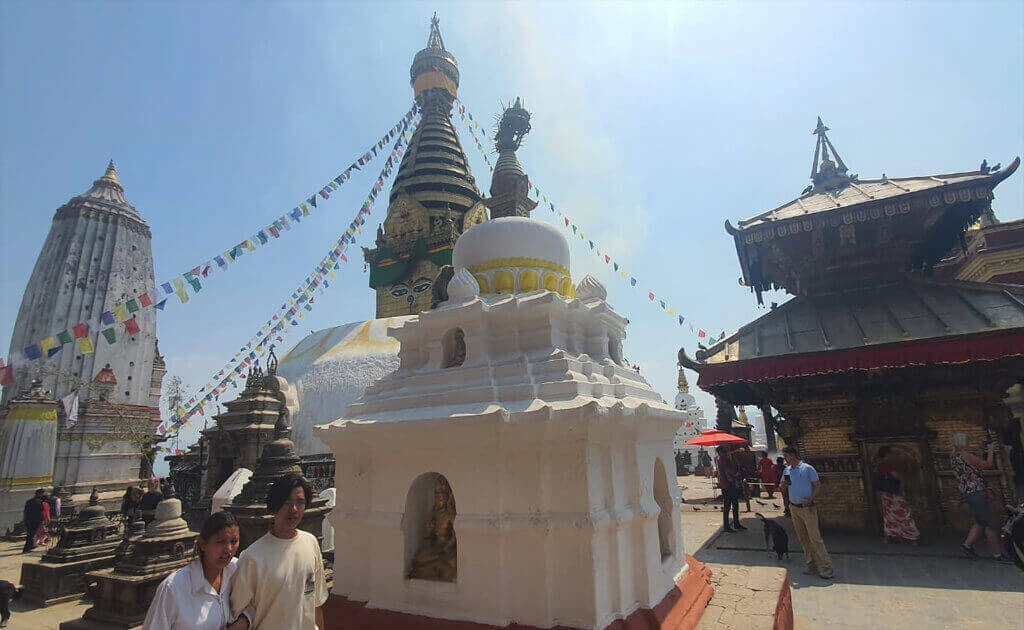
Nepal’s dramatic seasonal shifts offer photographers a rich palette of moods, colors, and lighting conditions throughout the year. Each season in Nepal tells a different story through the lens whether it’s the golden glow of autumn, the floral burst of spring, the stark beauty of winter, or the atmospheric drama of the monsoon. Choosing the right time depends on your photographic goals, but every season holds its own magic.
Autumn (October to November) is widely considered the best season for photography, thanks to its crystal-clear skies, stable weather, and stunning visibility of the Himalayan peaks. The air is crisp, the landscapes are vivid, and major festivals like Dashain and Tihar add cultural vibrancy to street scenes and rituals. This season is ideal for both landscape and cultural photography, though it’s also the busiest time for tourism.
Spring (March to May) brings a softer, more romantic light, with blooming rhododendrons painting the hillsides in shades of red and pink. The temperatures are pleasant, and the atmosphere is alive with color and renewal. This is a fantastic time for nature and macro photography, especially in forested regions and botanical trails. Occasional haze may affect long-distance shots, but the overall conditions remain favorable for capturing both people and places.
Winter (December to February) offers a quieter, more introspective experience. The mornings are cold and dry, with spectacular clarity in the mountains perfect for crisp, high-contrast images of snow-covered peaks and frosted landscapes. Wildlife photography in places like Chitwan National Park also thrives during this season, as animals are more visible in the dry terrain. However, photographers should prepare for limited daylight hours and colder conditions, especially in higher altitudes.
Monsoon season (June to September) is the most challenging for photography, with heavy rainfall, cloud cover, and reduced visibility. Yet for those seeking dramatic, moody compositions, this season delivers lush greenery, misty forests, and powerful cloudscapes. Urban and cultural photography can still flourish under covered areas, and the lower tourist traffic allows for more intimate, candid shots. Waterproof gear and flexible planning are essential during this time.
Each season in Nepal tells a different story through the lens whether it’s the golden glow of autumn, the floral burst of spring, the stark beauty of winter, or the atmospheric drama of the monsoon. Choosing the right time depends on your photographic goals, but every season holds its own magic.
Packing list for Photography Tour in Nepal
- Photography Equipment
- Camera body with a fast, stacked sensor and electronic shutter
- Wide-angle lens for sweeping landscapes
- Telephoto lens to capture distant wildlife and mountain details
- Lightweight, sturdy tripod for low-light and long-exposure shots
- Lens cleaning kit (microfiber cloths, blower)
- Rain cover and weather-resistant camera bag
- Extra memory cards and spare rechargeable batteries
- Compact, foldable solar panel or high-capacity power banks for off-grid charging
- Binoculars or spotting scope for scouting compositions in advance
- Clothing & Footwear
- Moisture-wicking base layers (thermal shirts and leggings)
- Insulating mid-layers such as fleece or lightweight down jacket
- Waterproof, breathable outer shell (jacket and overpants)
- Quick-dry hiking pants and moisture-wicking socks
- Sturdy, broken-in hiking boots with good ankle support
- Warm hat, gloves, and neck gaiter for high-altitude shoots
- Trekking poles with anti-shock features for rugged trails
- Refillable water bottles or hydration bladder with purification tablets
- Hands-free headlamp or flashlight for early-morning and dawn shoots
- Ergonomic backpack with camera compartment and trekking straps
- Power & Data Backup
- Portable solar charger or multiple power banks
- Universal travel adapter (Type C/D/M sockets common in Nepal)
- Rugged external hard drive or SSD for on-site backups
- Laptop or tablet with card reader to review and offload images
- Personal & Safety Essentials
- Compact first-aid kit with antiseptic, pain relievers, altitude sickness tablets, and blister care
- Hand sanitizer, disinfectant wipes, and travel-size toiletries
- Sunscreen (SPF 30+) and polarized sunglasses to combat strong UV at altitude
- Insect repellent and water purification tablets or filter bottle
- Personal identification, permits, travel insurance documents, and local SIM card for emergencies
Permits & Regulations for a Photography Tour in Nepal
Always carry copies of your passport, visa, and permit documents when shooting, and be mindful of “no-photo” signs at religious ceremonies and private residences. Permit approvals often require one to two weeks especially for drones or heritage site photograph so planning ahead is crucial. To streamline applications and navigate regional regulations more smoothly, consider hiring a local fixer who can handle permits and logistics on your behalf.
General Photography
You can freely photograph public streets, villages, markets, and landscapes without special permits as long as it’s strictly personal and non-commercial.
Cultural Heritage Zones
Photography within or around protected monuments and UNESCO sites requires a permit from the Department of Archaeology. Approval usually involves submitting a simple application with a passport copy and paying a nominal daily fee for each heritage precinct.
National Parks & Wildlife Areas
To shoot in national parks and conservation areas, obtain a permit from the Department of National Parks and Wildlife Conservation. Fees vary for foreigners versus SAARC citizens, and rules mandate keeping a safe distance from wildlife and avoiding flash photography in sensitive habitats.
Drone Operations
Flying a drone heavier than 250 g or capturing commercial footage demands a UAV permit from the Civil Aviation Authority of Nepal. The application must list your drone specs, flight plan, insurance details, and often incurs a separate processing fee.
Commercial & Professional Shoots
Any paid assignment or commercial use of images regardless of location requires a general photography/filming permit issued by the Ministry of Information and Communication. You’ll need to provide an itinerary, equipment list, crew details, and pay the prescribed government fee to secure legal clearance.
Accommodation During Photography Tour in Nepal
Throughout your photography tour in Nepal, accommodations are thoughtfully selected to balance comfort, practicality, and proximity to key shooting locations, with seasonal and budget considerations in mind. In urban hubs like Kathmandu and Pokhara, you’ll stay in hotels offering stable Wi-Fi, secure camera storage, editing desks, and early breakfast services to catch dawn’s first light. In hilly and mountain regions such as Nagarkot and Namobuddha your home for the night will be eco-lodges or boutique guesthouses perched on ridgelines. These properties feature panoramic windows, private balconies for raw mountain vistas, and power outlets for charging gear. Meals are often farm-to-table, supplementing local culture with fresh, seasonal ingredients. In Chitwan National Park, you’ll retreat to jungle lodges or riverfront resorts that blend into the wilderness. These accommodations range from elevated wooden chalets with private verandas to luxury tented camps with en-suite bathrooms, swimming pools, and guided safari pickups right at the front door. Whether you prefer creature comforts or a more immersive experience, each lodging option is chosen to facilitate early starts, late-night editing sessions, and quick transfers to sunrise and sunset vantage points so you can focus on capturing Nepal’s magic through your lens.
Transportation During Photography Tour in Nepal
Transportation plays a vital role in ensuring comfort, flexibility, and access to Nepal’s most photogenic landscapes. Our tours are thoughtfully designed with reliable ground transportation that connects major destinations, allowing you to focus on capturing the beauty that surrounds you. We provide private vehicles typically well-maintained jeeps or minibuses that are ideal for photographers. These vehicles offer ample space for your gear and the freedom to stop at scenic spots along the way. Whether you're chasing morning mist, vibrant street scenes, or golden hour light, our transport arrangements are tailored to support your creative vision. For longer journeys, we also offer comfortable tourist buses equipped with air-conditioning and reclining seats, ensuring a smooth ride between locations. In city areas, short transfers are handled with smaller vans or taxis for quick and convenient access to local sites. At Welcome Nepal Treks, we understand that photography is about timing, perspective, and spontaneity.
Foods and Drinks During Photography Tour in Nepal
During a photography tour in Nepal, food and drink become more than just sustenance they’re part of the cultural tapestry that photographers often find just as captivating as the landscapes. Throughout the journey, travelers are treated to a variety of traditional Nepali flavors, from hearty mountain breakfasts to street-side snacks that reflect the country’s rich culinary heritage. Each morning typically begins with a warm breakfast, offering staples like eggs, toast, seasonal fruits, and local tea or coffee, providing the energy needed for a day of exploration and shooting.
As the tour progresses through different regions, the culinary experience subtly shifts. In some areas, meals are left open for travelers to explore local eateries at their own pace, allowing for spontaneous food discoveries and authentic dining moments. However, in select locations known for their immersive cultural experiences, guests enjoy more inclusive arrangements. Here, both lunch and dinner are thoughtfully provided, showcasing regional specialties and traditional cooking styles that deepen the connection to the place and its people.
Hydration is key during long days of travel and photography, and bottled water is readily available. Local beverages such as masala tea, fresh fruit juices, and traditional fermented drinks may also be encountered, adding flavor to the journey. Whether dining in a rustic village or sipping tea in a bustling town, the food and drink along the way offer a sensory complement to the visual feast unfolding through the lens.
Electricity During Photography Tour in Nepal
Electricity during a photography tour in Nepal is generally accessible in urban and tourist-friendly areas, but photographers should be prepared for occasional power outages and voltage fluctuations. Most accommodations, including hotels and lodges, offer reliable charging facilities and often have backup systems like generators or inverters to maintain power during disruptions. However, in more remote or nature-focused locations, electricity may be limited or unavailable for extended periods, especially during treks or jungle excursions. Nepal operates on a 230V supply with a frequency of 50Hz, and plug types C, D, and M are commonly used, so carrying a universal travel adapter is essential.
Photography Etiquette in Nepal During Photography Tour in Nepal
- Following local etiquette helps you connect with people and enjoy a richer travel experience:
- Always ask before taking someone's photo, especially in villages or cultural spots. Respect their wishes if they say no.
- Watch for posted signs and remove your shoes when entering temples or monasteries.
- Keep a respectful distance if you're unsure whether it's okay to take pictures.
- Stay back from animals and avoid disturbing wildlife just to get a good shot.
- Some religious sites prohibit photography, check for signs before snapping pictures.
- Visit popular spots early in the morning to avoid crowds and get better shots.
- Never photograph cremation ceremonies or religious rituals it's considered offensive.
- Skip the flash in sacred or dimly lit areas to preserve the atmosphere.
- Challenges During Photography Tour in Nepal
- Many religious places limit photography or require prior approval.
- Sudden weather changes can disrupt schedules and harm your gear.
- Remote regions often lack reliable internet, making photo backups a challenge.
- Approaching wild animals can be risky and may disturb their natural behavior.
- Hazards like altitude sickness or landslides can impact travel and safety.
- Drone use is banned near sacred sites, military areas, and airports.
- Language barriers in rural areas can make it hard to ask for permission or directions.
- Busy areas pose a risk of gear theft or accidental damage.
- Strong midday sun can cause harsh lighting and overexposed images.
- Mountain valleys offer limited time for soft, golden-hour lighting.
- Traditional interiors often have poor or uneven lighting conditions.
- Crowded tourist spots make it tough to capture original or unobstructed shots.
- How To Overcome the Challenges
- Visit popular locations early in the morning to steer clear of crowds and capture serene moments.
- Explore lesser-known spots nearby for fresh and distinctive photo opportunities.
- Travel light with multi-purpose gear that’s easy to manage and carry.
- Monitor seasonal weather updates and stay adaptable with your travel plans.
- Protect your equipment from rain and dust using weather-resistant gear or covers.
- Bring extra batteries cold temperatures can drain them quickly.
- Pack a solar charger or portable power bank for areas with limited electricity.
- Use several memory cards and back up your images frequently to avoid data loss.
- Keep a respectful distance from wildlife never feed or provoke animals.
- Apply for drone authorization from CAAN ahead of time to avoid delays.
- Familiarize yourself with Nepal’s drone regulations and avoid flying in restricted zones.
- Tag your gear with your contact details in case it gets misplaced.
- Purchase travel insurance that includes coverage for your photography equipment.
- Secure your valuables using anti-theft bags or lockable storage options.
- Safety Practices During Photography Tour in Nepal
- Photography demands both technical skill and moral responsibility. Practicing safety and ethics ensures respectful storytelling, protects subjects, and upholds the integrity of the photographer.
- Here’s a comprehensive guide to the safety and ethical practices every photographer should follow:
- Avoid intrusive behavior, especially in sensitive or private settings and maintain a safe distance.
- Use straps, waterproof bags, and protective gear to prevent accidents or damage especially in rugged or crowded environments.
- When shooting in nature or urban areas, stay alert to traffic, wildlife, weather, and terrain to avoid injury or disruption.
- Don’t endanger yourself or others for dramatic angles.
- Abide by drone regulations, restricted zones, and permit requirements to avoid legal trouble.
- Respect intellectual property. Always credit collaborators and avoid unauthorized use of others’ work.
- Consider how your images might affect the subject, audience, or broader society and pause before sharing sensitive content.
Why Nepal for Photography Tour?
From the moment you arrive in Kathmandu, our expert guides will lead you to high-altitude vantage points where snow-capped peaks glow with ethereal alpenglow at dawn and dusk, while private permits grant exclusive access to UNESCO World Heritage temples from the 6th-century Changu Narayan to Bhaktapur Durbar Square’s 55-window palace, Golden Gate, and Nyatapola Temple. You’ll wander in medieval alleys lined with centuries-old woodcarvings and bustling bazaars, then explore terraced foothills dotted with fluttering prayer flags. Timed to coincide with vibrant festivals, your journey captures Holi’s swirling powders, Tihar’s flickering lamps, saffron-robed monks, and prayer flags snapping against mountainous backdrops. Further south, a guided safari in Chitwan National Park brings you face-to-face with Bengal tigers, one-horned rhinos, and elephants in lush subtropical settings. Whether you’re a seasoned professional or an enthusiastic hobbyist, our guided sunrise and sunset sessions at high-altitude lookouts deliver panoramic mountain vistas and perfect light offering unparalleled variety and expert support to transform your portfolio into gallery-ready masterpieces.
Booking and Payment Policies for Photography Tour in Nepal
To book the photography tour in Nepal with Welcome Nepal Treks, we will need a photocopy of your passport and a minimum advance payment of 10% of the total tour cost. Payments can be made through a variety of methods, including cash, bank transfer, or online. We also accept credit card payments (MasterCard, Visa, and others). For those who prefer, direct cash payments are welcome. While we can accommodate last-minute bookings, we kindly request that reservations be made at least one day before the departure date. If you have any questions or need further information, feel free to contact us.
Trip Extension After Photography Tour in Nepal
Extending your trip after a photography tour in Nepal allows you to further explore this captivating destination and make the most of your time in the region. Whether you're seeking more adventure, cultural experiences, or relaxation, there are numerous options for extending your journey. Here are some ideas for trip extensions:
- Lumbini Pilgrimage
- Mad Wild Honey Hunting Tour in Nepal
- Lumbini Pilgrimage
- Janakpur Cultural Tour
- Everest base camp trek
- Annapurna circuit trek
- Ghorepani poonhill trek
- Bardia or Koshi Tappu Wildlife Reserves
- Rafting in Trishuli River
- Dhulikhel Mountain Views
- Langtang valley trek
- Annapurna base camp trek
- Bandipur Old Town
- Rara Lake Trek
- Mardi Himal Trek
- Bandipur exploration
 1000+ Reviews
 44 Reviews