Everest Shortest Trek During Spring (March–May) Season
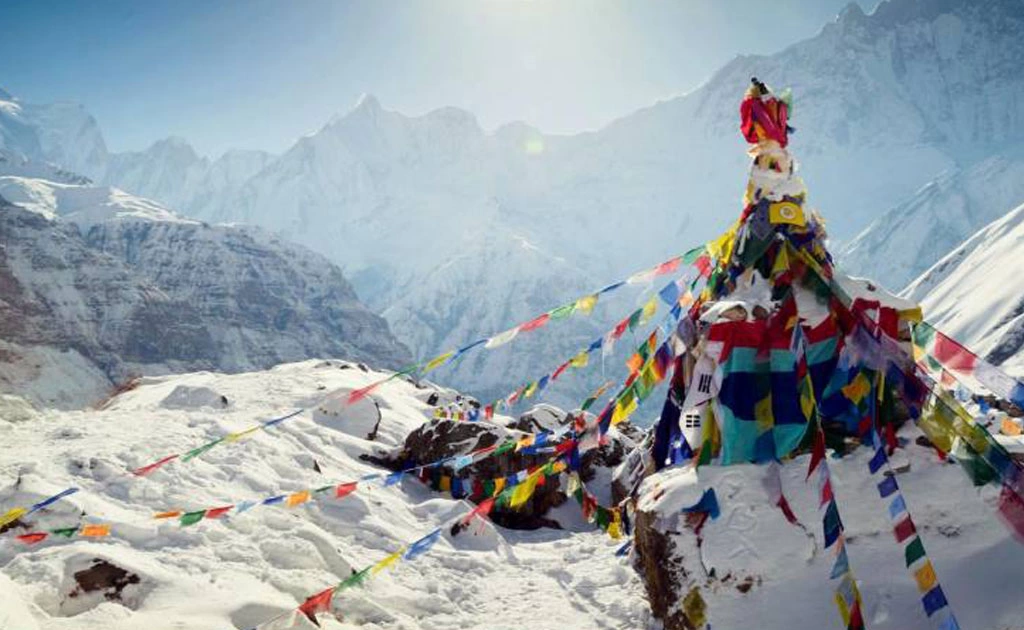
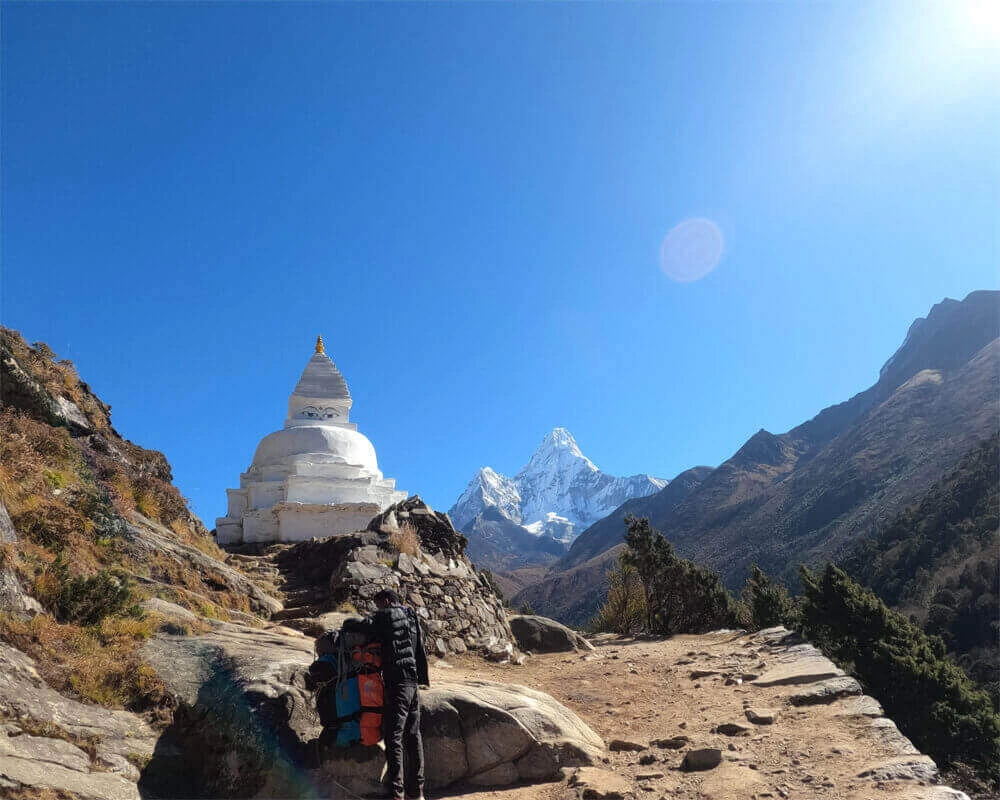
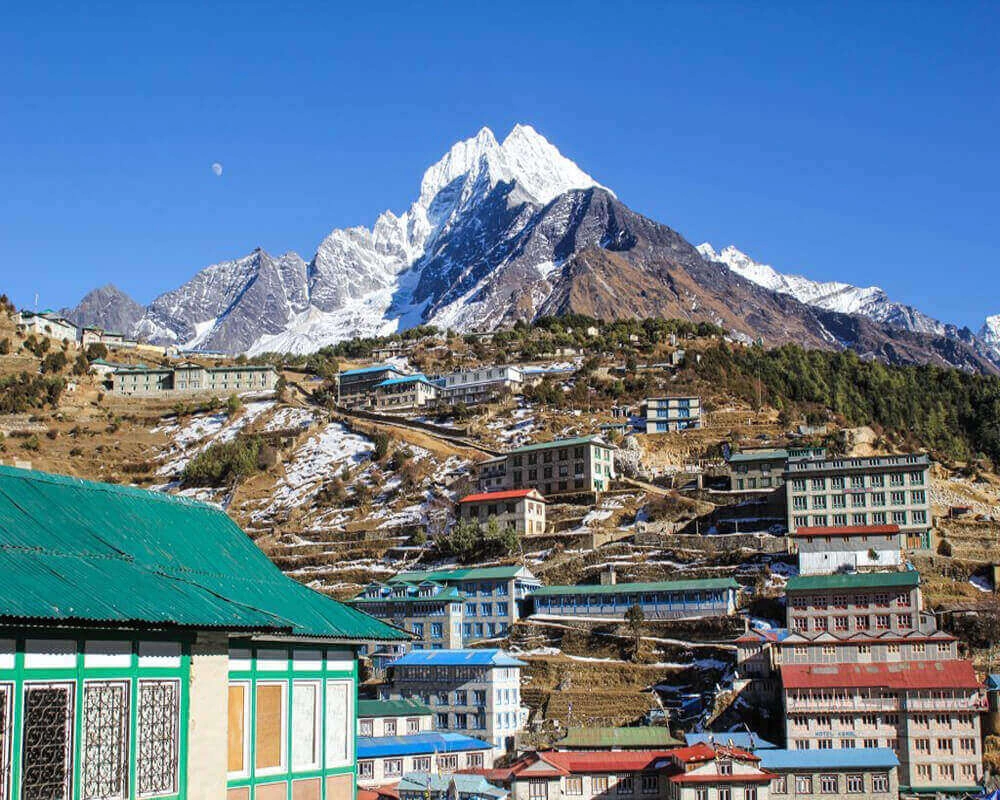
Spring is the season of renewal in the Himalayas. During this time feels like walking through a living canvas hillside painted with rhododendrons, magnolias, and wildflowers. The air is fresh, the days are pleasantly warm, and the nights are cool enough to make a cozy teahouse fire inviting. Clear skies reveal dazzling views of Everest, Lhotse, and Ama Dablam, while villages bustle with farming and cultural activities. The trails are lively with trekkers from around the world, creating a vibrant atmosphere. For those who want a balance of natural beauty, cultural immersion, and reliable weather, spring is the perfect choice.
Everest Shortest Trek During Summer/Monsoon (June–August) Season
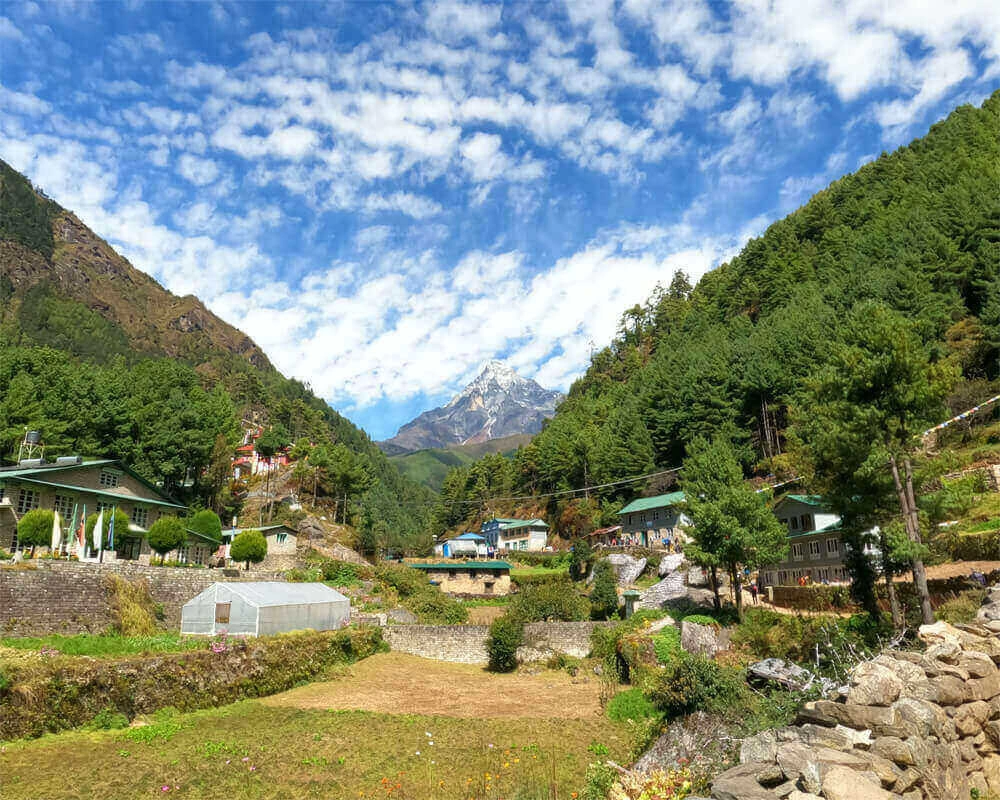
The monsoon season transforms the Khumbu region into a lush paradise. Rain showers feed the forests and valleys, making everything glow in shades of green. Mist rolls across the mountains, creating a mystical atmosphere, while waterfalls cascade down hillsides swollen with rain. The trek is quieter, with fewer tourists, offering solitude and a deeper connection to nature. Challenges include slippery trails, leeches, and frequent flight delays to Lukla due to cloud cover. Mountain views are often hidden, but the dramatic play of mist and rain gives the trek a unique charm. This season is best for adventurers who embrace unpredictability and want to experience the Himalayas in their raw, rain‑washed beauty.
Everest Shortest Trek During Autumn (September–November) Season
Autumn is the crown jewel of trekking seasons. After the monsoon clears, the skies turn crystal blue, and the air becomes crisp and clean. The Everest Short Trek in autumn offers unmatched panoramas of the Himalayas, with Everest standing tall against the horizon. The weather is stable, cool, and dry, making trekking conditions ideal. Villages are alive with celebrations of Nepal’s biggest festivals, Dashain and Tihar, adding cultural depth to the journey. Trails and teahouses are bustling with trekkers, creating a lively, international atmosphere. Autumn is perfect for those who want the most reliable weather, spectacular views, and cultural immersion, though early bookings are essential due to high demand.
Everest Shortest Trek During Winter (December–February) Season
Winter transforms the Everest Short Trek into a serene, snow‑covered wonderland. The trails are quiet, offering solitude and a peaceful trekking experience. Crisp air and clear skies provide excellent visibility of the snow‑capped peaks, while villages exude a cozy, tranquil atmosphere. Snow blankets the landscapes, turning forests and ridges into magical scenes. However, temperatures drop significantly, especially at higher altitudes, and icy paths can make trekking more challenging. Accessibility to some areas may be limited, but for experienced trekkers who can handle the cold, winter offers a pristine Himalayan adventure with fewer crowds and unforgettable snowy vistas.
Packing Essentials for Everest Shortest Trek
Here’s a well-rounded list of essentials every trekker should carry for the Everest Shortest Trek to stay comfortable, safe, and prepared:
- Moisture‑wicking thermal tops and bottoms.
- Fleece jacket or wool sweater for insulation.
- Down jacket or synthetic insulated jacket.
- Waterproof and windproof jacket and pants.
- Gloves, beanie, sun hat, and neck gaiter/scarf.
- Durable boots with ankle support, multiple pairs of trekking socks, and evening sandals.
- Daypack with rain cover, trekking poles, and a sleeping bag.
- Water bottle or bladder plus purification tablets or filter.
- Headlamp with spare batteries, portable power bank, and universal adapter.
- First aid supplies, personal medications, sunscreen, lip balm, sanitizer, and wet wipes.
- Passport, trekking permits, insurance papers, and cash in small notes.
- Energy bars, nuts, chocolates, plus a notebook or journal for personal use.
Accommodation Facilities During Everest Shortest Trek
On the Everest shortest trek, trekkers experience the unique charm of Himalayan tea houses and guesthouses. These lodges are run by local Sherpa families, offering not just a place to sleep but a glimpse into mountain life. Rooms are simple, usually furnished with twin beds, blankets, and basic furniture. While facilities are modest compared to city hotels, the warmth of the hosts and the breathtaking views outside your window make the stay unforgettable. Communal dining halls are the heart of these lodges, where trekkers gather around a wood stove, enjoy hearty meals, and share stories of the trail. At higher altitudes, rooms may be more rustic, and sleeping bags are recommended for extra warmth. The accommodation is designed to provide comfort while immersing trekkers in the authentic culture of the Khumbu region.
Transportation Facilities During Everest Shortest Trek
The journey begins with a thrilling Kathmandu–Lukla flight, lasting about 30–35 minutes. This short but spectacular flight offers panoramic views of the Himalayas before landing at the famous Tenzing-Hillary Airport, one of the most adventurous airstrips in the world. In Kathmandu, private vehicles are arranged for airport transfers, ensuring convenience and comfort. Once in Lukla, the trek proceeds entirely on foot, with porters available to carry luggage. This allows trekkers to walk freely and enjoy the landscapes without the burden of heavy loads. The combination of air travel, ground transfers, and trekking creates a seamless flow from bustling city life to serene mountain trails, making the adventure both accessible and exhilarating.
Meals & Drinks Facilities During Everest Shortest Trek
Meals during the trek are provided on a full-board basis, ensuring trekkers are well-nourished throughout the journey. Breakfasts often include porridge, eggs, pancakes, or Tibetan bread served with tea or coffee. Lunches and dinners feature hearty options such as rice, noodles, soups, momos, and Sherpa specialties, all prepared in tea houses along the route. Vegetarian choices are widely available, and menus are designed to provide energy for trekking at altitude. Drinks like tea, coffee, and soft beverages can be purchased at lodges, while bottled water and boiled water are available for a small fee. Many trekkers also carry water purification tablets to reduce costs and minimize plastic waste. Dining in the tea houses is a cultural experience in itself, offering a chance to taste local flavors while bonding with fellow trekkers in a warm communal setting.
Health & Safety Considerations During Everest Shortest Trek
Health and safety are vital during the Everest Short Trek since trekking in the Himalayas involves altitude, remote terrain, and physical effort. Trekkers must be cautious of altitude sickness, which can occur even on shorter routes. Proper acclimatization, hydration, and pacing are key to prevention, while guides are trained to spot early symptoms and provide support. Carrying basic medications and consulting a doctor before the trek is recommended. Physical preparedness is equally important. Good fitness, sturdy boots, and appropriate gear help avoid injuries on steep and uneven trails. Weather can change quickly, so layered clothing and rain protection are essential. Emergency services are limited in remote areas, but helicopter evacuation is available for serious cases, making travel insurance with high-altitude coverage essential. Lodges provide basic facilities, but advanced medical care is not available along the trail. Food and water safety also matter drinking boiled or purified water and eating freshly prepared meals reduces the risk of illness. The health and safety rely on preparation, awareness, and responsible trekking practices, allowing trekkers to enjoy the adventure while minimizing risks.
Insurance for Everest Shortest Trek
Insurance is an essential requirement for this trek, even though the trek is shorter than other Himalayan expeditions. Trekking at altitude in remote terrain means medical emergencies can occur unexpectedly, and proper insurance provides peace of mind and financial protection. A good policy should cover emergency medical treatment such as hospital visits and prescribed medications, along with accident coverage for trekking-related injuries. It must also include specific protection for altitude sickness, which is a common risk in the Everest region. Another essential aspect is evacuation and rescue, since helicopter rescues from remote trails can be extremely costly without insurance. Policies that cover trip interruption due to illness or unforeseen events, along with optional coverage for lost or stolen items, provide additional security. We strongly advise purchasing insurance before arriving in Nepal, as local facilities are limited and proof of insurance is often required for rescue services. Carrying documentation of your insurance policy is important, since emergency services may ask for verification. With the right insurance, trekkers can focus fully on the adventure, knowing they are protected against unexpected challenges in the Himalayas.
Guide During Everest Shortest Trek
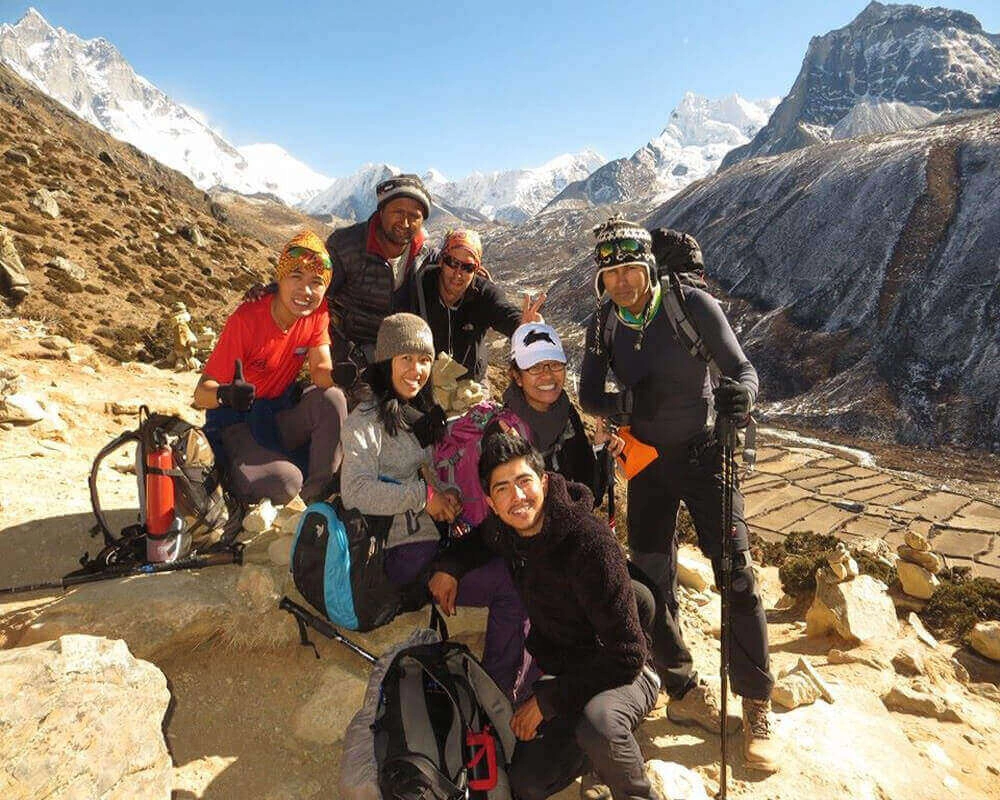
Our guide plays a central role in ensuring both safety and enrichment of the journey, they are highly experienced professionals who lead you through the trails with confidence and care. Every trekker is accompanied by a licensed guide, as per the latest regulations in Nepal. The guide is not only responsible for leading the way along the trails but also for ensuring trekkers acclimatize properly and remain safe in high-altitude conditions. They are trained in first aid, altitude awareness, and emergency coordination, giving trekkers peace of mind. Beyond safety, guides enrich the trek with cultural insights explaining Sherpa traditions, Buddhist monasteries, and the spiritual practices of the Khumbu region. They also manage logistics such as meals, lodging, and porter coordination, while motivating trekkers during challenging ascents. With their warmth and expertise, guides transform the trek into a meaningful cultural and personal experience.
Porter During Everest Shortest Trek
Our dedicated Everest porters carry your heavy loads, typically 20–25 kg per person, which may include duffel bags, personal gear, and group equipment. This allows trekkers to walk freely and enjoy the landscapes without being weighed down. Porters are usually locals from the Everest region, known for their resilience and strength in high-altitude terrain. Their contribution is not only physical but also cultural many trekkers enjoy interacting with porters, learning about their daily lives, and appreciating their cheerful spirit on the trail. Hiring porters also directly supports the local economy, helping families sustain themselves in the mountains.
Electricity & Internet Connection Service During Everest Shortest Trek
During the Everest Short Trek, trekkers will find electricity and internet facilities available but limited compared to city standards. In Kathmandu, hotels provide reliable electricity and strong Wi-Fi, making it easy to charge devices and stay connected before the trek begins. Once in Lukla and along the trail, tea houses and lodges generally rely on solar power or small hydroelectric systems. Charging facilities are available in most villages, though they may be limited and often come with a small fee for charging phones, cameras, or power banks. Because supply can be inconsistent, it is highly recommended to carry a portable power bank or solar charger to ensure your devices remain powered throughout the journey.
Internet access is also available but varies depending on location. In Lukla and Namche Bazaar, most tea houses and lodges offer Wi-Fi services, though speeds can be slow and usage may come with extra charges. As trekkers move higher, connectivity becomes weaker, and in some villages, internet may be unavailable altogether. For better coverage, many trekkers purchase a local SIM card such as Ncell or Nepal Telecom, which provides mobile data, though signals can be patchy in remote areas.
Altitudes During Everest Shortest Trek
The Everest Shortest Trek (5 days) reaches moderate altitudes, with the highest point being Namche Bazaar at 3,440 m. While it doesn’t go as high as Everest Base Camp, trekkers still experience significant elevation changes that require acclimatization.
- Lukla – 2,886 m Starting point after the scenic flight from Kathmandu; gateway to the Khumbu region.
- Phakding – 2,640 m First overnight stop along the Dudh Koshi River; relatively lower altitude.
- Namche Bazaar – 3,440 m Central Sherpa town and acclimatization hub; highest overnight stay on the trek.
- Everest View Hotel – 3,880 m Famous viewpoint offering panoramic sights of Everest, Lhotse, Ama Dablam, and other peaks.
- Khumjung Village – 3,780 m Traditional Sherpa settlement visited during acclimatization hikes.
Permits Required for Everest Shortest Trek
For the Everest Shortest Trek, all necessary permits are arranged directly by Welcome Nepal Treks as part of their service. This ensures trekkers don’t have to worry about paperwork or visiting offices themselves.
Here are the permits included:
- Sagarmatha National Park Entry Permit: Required to enter Sagarmatha National Park, which covers the Everest region. This permit supports conservation and park maintenance.
- Khumbu Pasang Lhamu Rural Municipality Permit: Mandatory for trekking in the Khumbu region. It has replaced the older TIMS card and is checked at various points along the trail.
Cost for Everest Shortest Trek
Welcome Nepal Treks offers the Everest Shortest Trek (5 days) at a budget‑friendly cost of USD 850 per person. This price is based on several key factors such as the round‑trip flights between Kathmandu and Lukla, trekking permits for Sagarmatha National Park and Khumbu Pasang Lhamu Rural Municipality, meals and accommodation during the trek, and the services of experienced guides and porters. By arranging all permits and logistics in advance, Welcome Nepal Treks ensures that trekkers enjoy a smooth and hassle‑free adventure, making this package an affordable yet well‑organized way to experience the breathtaking views of Everest in a short time.
Safety Checklist for Everest Shortest Trek
Here’s a practical safety checklist to help trekkers stay prepared and minimize risks during the trek:
- Walk slowly, allow time for acclimatization, and recognize early symptoms of altitude sickness such as headache, nausea, or dizziness.
- Ensure your policy covers high-altitude trekking, medical treatment, and helicopter evacuation.
- Train with cardio and endurance exercises before the trek to handle steep climbs and long walking hours.
- Wear sturdy trekking boots, layered clothing, rain protection, and carry trekking poles for balance.
- Drink purified or boiled water, eat freshly prepared meals, and avoid skipping meals to maintain energy.
- Carry personal medications, bandages, antiseptic, pain relievers, and altitude-related medicines.
- Be prepared for sudden changes in temperature and carry warm clothing even on sunny days.
- Keep a local SIM card or satellite phone for emergencies, and download offline maps.
- Rely on licensed guides for navigation and porters for carrying loads, ensuring safety and comfort.
- Follow traditions, respect monasteries, and adhere to local customs to maintain harmony.
Challenges During Everest Shortest Trek
- Even though the trek doesn’t reach Base Camp, altitude sickness can occur around Namche Bazaar (~3,440 m).
- Sudden rain, snow, or temperature drops can make trekking difficult.
- Steep climbs and long walking hours can be exhausting for those not well‑prepared.
- Only basic care available in villages; serious cases require evacuation; serious cases require evacuation.
- Risk of stomach issues from untreated water or unhygienic meals.
- Lukla flights are often delayed or canceled due to weather, affecting schedules.
- Dusty trails, landslides, or slippery paths during monsoon season.
- Preventive Measures for Everest Shortest Trek
- Walk slowly, stay hydrated and avoid alcohol.
Pack Layered Clothing, Waterproof Gear, and Check Forecasts Before Trekking.
- Train with cardio, strength, and endurance exercises before the trek.
- Carry a personal first aid kit, prescribed medicines, and consult a doctor before traveling.
- Drink boiled or purified water and eat freshly prepared meals in tea houses.
- Keep buffer days in your itinerary to manage Lukla flight delays.
- Carry a local SIM card or satellite phone for emergencies.
- Start trekking early in the day to avoid congestion on busy trails.
- Give yaks and pack animals space on trails; step aside carefully.
- Carry extra cash in small denominations to cover unexpected expenses.
- Use trekking poles on slippery trails, avoid landslide‑prone areas, and respect eco‑guidelines.
Why to Choose Everest Shortest Trek?
The Everest Shortest Trek is an excellent choice for travelers who want to experience the essence of the Everest region in a short and budget‑friendly way. In just 5 days, trekkers can enjoy breathtaking views of Everest, Lhotse, and Ama Dablam while exploring Sherpa villages like Namche Bazaar and Khumjung. The trek is designed to be time‑efficient, making it perfect for those with limited schedules, and it avoids extreme altitudes, reducing the risk of severe altitude sickness. This trek is ideal for beginners, families, or anyone seeking a lighter Himalayan experience while still immersing themselves in the natural beauty and rich culture of the Everest region.
Why Welcome Nepal Treks for Everest Shortest Trek?
Welcome Nepal Treks is the right choice for the Everest Shortest Trek because we specialize in providing safe, organized, and hassle‑free trekking experiences. Here's a list of reasons to choose Welcome Nepal Treks for Everest Shortest Trek:
- We design flexible trek plans that fit your schedule and preferences.
- Our guides ensure safety while sharing deep insights into Sherpa culture and Himalayan life.
- We provide round‑the‑clock assistance before and during the trek for a stress‑free journey.
- Flights, permits, meals, and accommodations are all arranged in advance for convenience.
- We plan acclimatization carefully and keep emergency evacuation options ready.
- Trekkers explore monasteries, villages, and traditions for authentic immersion.
- With years of trekking expertise, we are known for delivering memorable and authentic Himalayan adventures.
- We offer well‑organized, budget‑friendly packages with clear inclusive pricing.
Booking and Payment for Everest Shortest Trek
Welcome Nepal Treks invites you to reserve the Everest Shortest Trek and embark on an unforgettable adventure across breathtaking destinations. To secure your spot, simply provide a copy of your passport and pay a minimum deposit of 10% of the total tour cost. We offer a variety of convenient payment options, including cash, bank transfers, and online platforms. Major credit cards such as MasterCard, Visa, and more are also accepted, making the booking process easy and flexible. Direct cash payments are another option for those who prefer it. While we accommodate last-minute bookings, we recommend confirming your reservation at least one day before the departure to ensure a smooth experience. For any inquiries or assistance, feel free to reach out to Welcome Nepal Treks.
Do’s and Don’ts for Everest Shortest Trek
Do’s
- Acclimatize properly
- Stay hydrated
- Pack wisely
- Follow guide’s advice
- Respect local culture
- Keep flexible schedule
- Carry insurance
Don’ts
- Don’t rush
- Don’t ignore symptoms
- Don’t drink untreated water
- Don’t litter
- Don’t trek alone
- Don’t rely on weather
- Don’t underestimate fitness
Tipping During Everest Shortest Trek
Tipping during the Everest Shortest Trek is considered a respectful way to show appreciation for the hard work and dedication of guides and porters. While it is not compulsory, it has become a common practice in the trekking culture of Nepal. Trekkers usually give tips at the end of the journey, often during a farewell gathering, as a gesture of gratitude for the support, guidance, and effort provided throughout the trek. It is a meaningful way to express thanks and leave a positive impact on the people who make the trek safe and enjoyable.
Trip Extension After Everest Shortest Trek
Extending your trip after Everest Shortest Trek allows you to further explore this captivating destination and make the most of your time in the region. Whether you're seeking more adventure, cultural experiences, or relaxation, there are numerous options for extending your journey. Here are some ideas for trip extensions:
- Lumbini Pilgrimage
- Janakpur Cultural Tour
- Annapurna circuit trek
- Ghorepani poonhill trek
- Bardia or Koshi Tappu Wildlife Reserves
- Rafting in Trishuli River
- Dhulikhel Mountain Views
- Langtang valley trek
- Annapurna base camp trek
- Bandipur Old Town
- Patan Arts and Crafts
- Rara Lake Trek
- Mardi Himal Trek
- Bandipur exploration
 1000+ Reviews
 44 Reviews